To make the app accessible. We have an entry level pricing structure please email us to get a quote, let us know how many users you require and we will send through a quote.
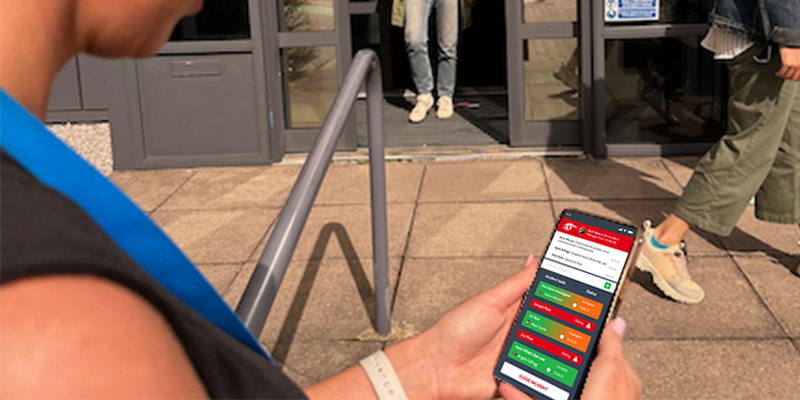
Marshal Eye is designed to help organisations create a robust, coordinated and resilient response to critical incidents. Its communication, role allocation and incident management capabilities can support organisations preparing for the requirements of the Terrorism (Protection of Premises) Act 2025, commonly known as Martyn’s Law.
Martyn’s Law received Royal Assent on 3 April 2025 and is now law. The requirements of the Act have not yet been commenced and therefore do not yet need to be complied with. The implementation period gives organisations time to understand their responsibilities and prepare.
The legislation is intended to improve protective security and organisational preparedness across the UK by requiring those responsible for qualifying premises and events to consider how they would respond to a terrorist attack and take appropriate steps to reduce the risk of physical harm.
The legislation is named in memory of Martyn Hett, one of the 22 people killed in the Manchester Arena terrorist attack in 2017. His mother, Figen Murray OBE, has campaigned extensively for legislation to improve public protection and preparedness.
Martyn’s Law applies across the UK and includes qualifying education settings such as schools, colleges and universities. Premises that reasonably expect fewer than 200 people to be present at the same time are generally outside the scope of the Act, although organisations are still encouraged to consider appropriate preparedness arrangements.
Primary, secondary and further education premises have special treatment under the Act and remain within the standard tier even where 800 or more people may be present. Higher education premises, such as universities, are treated in the same way as other qualifying premises and may fall within the enhanced tier where the relevant criteria are met.
The Act identifies four public protection procedures that should be put in place, where appropriate and so far as is reasonably practicable:
Evacuation – moving people away from danger by getting them out of the premises, event or affected area.
Invacuation – moving people away from danger to a safer place within the premises or event, including bringing people inside where this reduces the risk of physical harm.
Lockdown – securing the premises or event to prevent or restrict people entering or leaving and to restrict the movement of an attacker.
Communication – ensuring information is provided to people at the premises or event, including alerting them to danger and providing instructions on what action they should take.
As Marshal Eye developed, it became clear that the same technology created to coordinate a fire response could also support other critical incidents. The platform already provides critical alerting, live communication, role and task allocation and a chronological digital incident record.
This means organisations can use Marshal Eye to help communicate instructions, coordinate people and actions and maintain a clear record of how an incident was managed.
We offer a free trial to all new customers for 30 days sign up for a no obligation trial, cancel after 30 days with no charges.
To make the app accessible. We have an entry level pricing structure please email us to get a quote, let us know how many users you require and we will send through a quote.
We got you covered – Visit our help section on our website for our FAQs and helpful tutorial video content.